
Schedule a comprehensive consultation today. Learn key financial planning after death of spouse steps, including Social Security, taxes, and estate plans.
Continue reading
Schedule a comprehensive consultation today. Learn key financial planning after death of spouse steps, including Social Security, taxes, and estate plans.
Continue reading
Schedule a complimentary discovery consultation to explore tax-smart retirement planning after selling a business. Learn how to preserve your hard-earned…
Continue reading
Relying on a single retirement account type may limit your options when tax laws or personal circumstances change. Saving across accounts with different tax treatments may provide more choices about where retirement income comes from each year.
Ready to discuss your retirement tax strategy? Schedule a complimentary consultation with the team at Hoxton Planning & Management today.
Tax diversification in retirement means spreading assets among taxable brokerage accounts, tax-deferred accounts such as traditional IRAs, and Roth accounts. Each account type has different tax rules. Holding more than one type may offer flexibility when choosing which account to draw from based on spending needs and current tax circumstances. Tax-deferred accounts are generally subject to required minimum distribution rules. A coordinated plan can help retirees evaluate those rules alongside cash-flow needs.
The appropriate account mix depends on individual circumstances, goals, and applicable tax rules. Understanding the characteristics of each tax bucket is a useful first step.
Tax diversification in retirement is not the same as having a mix of stocks and bonds. While investment diversity helps manage risk, tax diversification focuses on how the IRS treats your money. It means you hold your wealth in different types of accounts based on when you pay tax. This setup gives you more control over your tax bill after you stop working.
Most savers use three main types of accounts to reach their goals. Each bucket has its own rules for when you pay the IRS. A retirement income plan often uses these to create a steady cash flow while keeping taxes low. The three buckets are tax-deferred, tax-free, and taxable accounts.
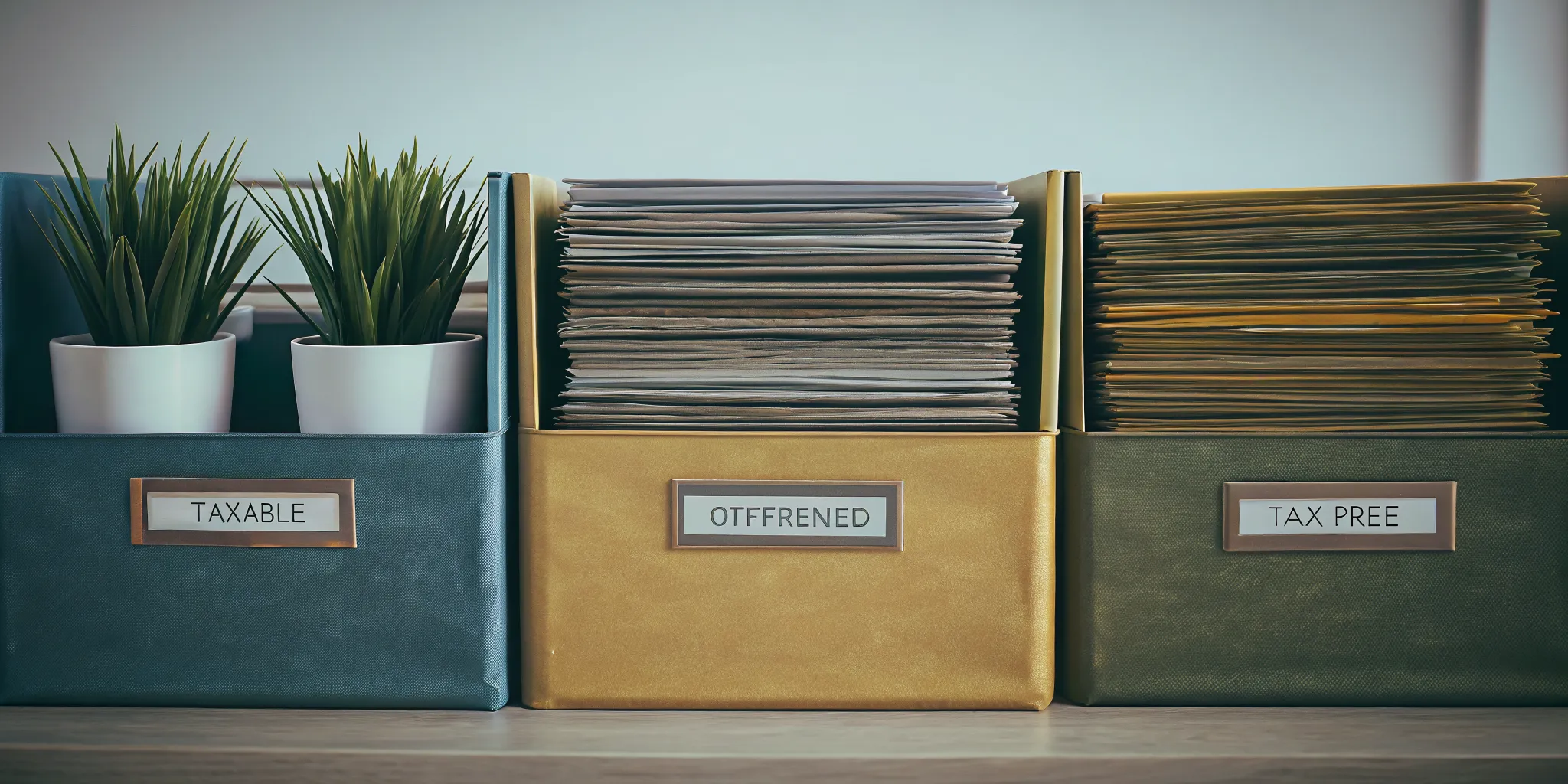
Tax-deferred accounts include traditional IRAs and 401(k) plans. You often get a tax break when you put money in, but you pay income tax when you take it out. According to the IRS, distributions from traditional IRAs are usually part of your taxable income. You must also start taking required minimum distributions from these accounts by age 73.
Tax-free accounts, such as a Roth IRA, work differently. You pay tax on the money before it goes in, but you do not pay tax on it later. The IRS notes that Roth IRA qualified distributions are generally tax-free. This bucket is helpful if tax rates go up in the future. Having this money ready lets you spend more without moving into a higher tax bracket.
Taxable accounts are standard brokerage or bank accounts. You pay tax on dividends and capital gains each year. These accounts offer the most access since they do not have the same age rules as IRAs. By using all three buckets, you can choose which one to draw from based on your needs each year. This is a key part of tax-efficient investing.
The main goal of tax diversification in retirement is to give you choices. If you only have money in one type of account, you are stuck with one tax rate. If tax laws change, you might pay more than you planned. Spreading your savings lets you adapt to new rules or higher costs. It helps you keep more of what you earned over your life.
Planning for the future often involves more than just picking good stocks. It also means managing three distinct account types to build tax-efficient investing habits. By spreading your savings across taxable, tax-deferred, and tax-free accounts, you can help manage your tax rate when you stop working.
Taxable accounts, like standard brokerage accounts, offer the most room to move. You can buy and sell assets at any time without age rules. While you pay tax on gains each year, these accounts give you quick access to cash if you need it. They are a big part of tax diversification in retirement because they keep your money within reach.
Traditional IRAs and 401(k) plans let your money grow without tax now. You get a break today, but you will pay income tax on your withdrawals later. The IRS notes that distributions from traditional IRAs are generally counted as taxable income. You must also start taking yearly payouts by age 73, which can sometimes push you into a higher tax bracket.
Roth accounts are funded with after-tax money. In exchange, earnings can grow tax-free, and qualified Roth distributions are generally excluded from federal taxable income. Roth conversions may be one way to move money into this bucket over time, but conversion amounts are generally taxable and require careful evaluation.
| Account type | Tax on growth | Tax on withdrawals | Access rules |
|---|---|---|---|
| Taxable | Paid each year | Gains and income may be taxable | No age limits |
| Tax-deferred | None now | Taxed as income | Payouts start at age 73 |
| Tax-free (Roth) | None | Tax-free | 5-year rule and age 59.5 |
Each bucket plays a different role in your long-term plan. Balancing these accounts helps you stay ready as laws and your income needs change. Coordinating your withdrawals can lead to a more sustainable retirement income plan that lasts.
Tax diversification in retirement is about having choice. When you save, you put money into many types of accounts. These buckets have their own tax rules. Some grow tax-free while others take out tax when you spend the cash. Having a mix of these accounts gives you the power to pick where your money comes from each year. This helps you control your tax bill and stay in a lower bracket.
The main goal of this plan is to keep your tax bill low. If all your money is in one place, you may have to pay high taxes. For example, distributions from traditional IRAs are often taxed as income. If you need a lot of cash for a big purchase, you could end up in a high tax group. But if you have tax-free Roth funds, you can take what you need without raising your tax rate. This balance helps you keep more of your own wealth.
Managing these buckets is also vital when you reach age 73. At this point, the law says you must start taking money out. These required minimum distributions (RMDs) can push your income higher than you want. Tax diversification lets you plan for these moves. You can use other funds to lower your tax burden before RMDs start. This early path is a key part of a retirement income plan that lasts.
How you spend your money matters as much as how you save it. Many people just spend their cash in the same order. But a smart path can help your wealth grow longer. You might start by taking money from taxable brokerage accounts. These accounts give you easy access to funds. Then, you can use tax-deferred and tax-free buckets to fill the gaps. This helps you manage your tax bill from year to year.
Every person has a unique set of needs. There is no single rule that works for every retiree. This is why you need coordinated tax planning that looks at your whole life. A good plan will look at your Social Security, pensions, and personal savings. It will help you find the best way to pull cash out. This ensures you have enough for your needs while paying the least amount in taxes.
Tax laws do not stay the same forever. What is true today might change in five or ten years. Having a mix of accounts helps you stay ready for these shifts. If tax rates go up, your tax-free Roth accounts become even more useful. If rules change for one type of account, you have other options to use. This kind of planning keeps your money safe from surprises.
The best plan is one that grows with you. You should check your tax plan each year to make sure it still fits your goals. At Hoxton Planning, we use a fiduciary path to help you make these choices. This means we put your needs first. We look at your current life and your future goals to build a full plan. This gives you the peace of mind to enjoy your time without worrying about your tax bill.
Planning your income in retirement is not just about how much you save. It is also about when you choose to take that money out. Having tax diversification in retirement gives you the power to choose. You can pull funds from different buckets to keep your tax bill low. Certain times in your life make these picks even more key. Working with a pro for linked tax planning can help you spot these big moments.
The years right after you stop working but before you take Social Security are a unique window. Your income may be lower than usual during this time. This is often a great time for strategic Roth conversions. By moving money from a tax-deferred plan to a Roth account, you pay taxes now at a lower rate. This can help you avoid higher tax bills in the future when your income might rise. It is a smart way to use a slow year to your gain.
During these gap years, you might also have more control over your tax bracket. If you have money in a regular bank account, you can live off that cash while you move IRA funds to a Roth account. This moves your money into a tax-free bucket without pushing you into a high tax bracket today. It gives you more options for the long haul. Every dollar you move now is a dollar that won’t be taxed later.
Once you reach a certain age, the law says you must take money out of your regular retirement plans. These are called required minimum distributions or RMDs. Under current law, most people must start these by age 73. If you do not plan ahead, these large payouts can push you into a higher tax bracket. They can also make more of your other income taxable. It is a forced choice that can lead to a tax surprise if you are not ready.
According to the IRS, distributions from traditional IRAs are usually taxed as regular income. Having other funds that are tax-free or already taxed can help you manage this sudden jump in income. You could use tax-free Roth money to meet your needs while the RMD takes care of the rest. This keeps your total taxable income from spiking too high. It helps you stay in control of what you owe each year.
Your tax choices also affect your Social Security and Medicare. If your income is too high, you might pay more for your Medicare fees. This is known as a surcharge. Also, a big part of your Social Security check could become taxable if your other income is high. A retirement income plan should look at how all these pieces fit together. You want to avoid tax cliffs that can cost you thousands of dollars.
You can use funds from a taxable brokerage account to cover big costs, like a new car or a home repair. This lets you get the cash you need without raising your taxable income for the year. By picking the right account, you keep your Medicare costs down and protect your Social Security check. It is about using the right tool for the job. Having a mix of accounts makes this work.
Life does not stop in retirement. You may want to travel, buy a second home, or help a grandchild with school. Large one-time costs can be hard to manage if all your money is in one type of account. Tax diversification lets you pick the best way to pay. You might take some from a Roth account and some from a regular bank account. This keeps your taxable income low while you get the funds you need for your goals.
Having many buckets also helps if tax laws change in the future. If rates go up, you can lean more on your tax-free accounts. If they go down, you might take more from your taxable ones. You are not stuck with just one choice. This mix helps keep your overall tax rate steady. It gives you the freedom to enjoy your wealth without worrying about a surprise tax bill. Having options is the best way to stay safe in any market.
A good plan needs a normal checkup to stay on track. You should check your tax mix once a year to keep your income steady. This check helps you find ways to save as tax laws change. Use our tax strategy planning calendar to stay ready all year. A simple review helps you make sure your money lasts through your lifetime.
Most people keep their savings in a few types of accounts. Some funds sit in brokerage accounts that you can use at any time. Other funds are in traditional IRAs which grow tax-deferred. You should look at each one to see how much you will owe the IRS when you spend it. This helps you find the best way to use smart tools to reach your goals.
Having a mix of account types is the key to tax diversification in retirement. It gives you the choice to take money from the source that costs the least each year. Without this mix, you might be stuck paying a high tax rate on all your income. Reviewing your mix once a year keeps your plan open. You can change where you save or spend based on how tax laws move.
To get the most out of your money, follow a set path each year. This path helps you make choices based on facts rather than guesses. By taking these steps, you can help protect your wealth from big tax bills later on. It is best to do this review before the end of the year so you have time to make changes.
When you look at your plan, ask if your mix still fits your needs. Does your current income cause you to pay more in taxes than you should? Are you taking money from the right place to keep your total costs low? These questions lead to a better coordinated tax planning strategy. Working with a fiduciary who understands your full picture can provide peace of mind.
Your needs will change as you move through retirement. What worked in your 60s might not be the best choice in your 80s. Keeping an eye on your tax mix ensures you keep more of your hard-earned money. Regular checks allow you to pivot when the market or tax code shifts. This active stance is vital for long-term wealth.
Planning for tax diversification in retirement is about more than just picking good funds. Many savers fall into traps that limit their income options later. Avoiding these errors helps you keep more of what you save. It also gives you more control over your cash flow when you stop working.
Many people save mostly in tax-deferred accounts like a 401(k) or traditional IRA. While this helps save on taxes now, it can create a tax burden later. Every dollar you take out of these accounts counts as taxable income. The IRS notes that distributions from traditional IRAs are generally part of your yearly income. If all your money is in these accounts, you cannot easily control your tax bracket in retirement. Having some funds in a Roth IRA or a standard brokerage account provides more flexibility.
Some savers assume a Roth IRA is always the best choice. While Roth IRA qualified distributions are tax-free, the cost is paying taxes today. If you are in a high tax bracket now but expect to be in a lower one later, the upfront tax cost might be too high. A good plan looks at your current tax rate. It then compares it to where you think you will be in the future. Effective coordinated tax planning requires a clear view of both periods.
A common error is treating an account type and an investment as the same thing. An IRA is just a bucket that holds your assets. You can have the same stocks or bonds in a Roth IRA, a 401(k), or a taxable account. The mistake is not matching the right assets to the right buckets. Growth-focused stocks might work well in a Roth account. Assets that pay high interest might be better in a tax-deferred one. Structuring your assets this way is a key part of tax-efficient investing.
Many people wait until they retire to think about Roth accounts. By then, it might be too late to get the full benefit. Strategic strategic Roth conversions often work best during years when your income is lower than usual. If you wait until you must take distributions at age 73, your tax bracket may be higher than you expect. Acting early allows your tax-free growth to compound for a longer time.
Building a smart plan for your money takes work. You should not try to do it all on your own. A good plan for tax diversification in retirement needs a team effort. You will want to talk with both a financial advisor and a tax pro. They can help you see how your choices today affect your future taxes. These pros can work as a team to help you keep more of what you save.
There is no single goal that works for every person. Your target for tax diversification in retirement depends on your own life. Some people need more tax-free cash. Other people may want to defer taxes for a longer time. You should ask how your plan fits your goals for your family and your health. Your needs may change as you get older, so your plan must be ready for that.
If you are not sure where to start, you can schedule a time to talk with our team. We use a four-meeting process to learn about your needs. This helps us see the full picture of your life and your goals. We can help you look at your accounts and find the best path. Every person has their own mix of savings. Your plan should be as unique as you are.
When you meet with your advisor, you should have a list of things to ask. Clear questions lead to better answers. You might start by asking how your mix of accounts will change your total tax bill later. This is a key part of coordinated tax planning for your future. You want to make sure your tax pro and advisor are on the same page.
Here are some points you should bring up:
How you take money out of your accounts is just as vital as how you put it in. You must match your account types to keep your costs low. Many people find that pulling from taxable accounts first helps their other funds grow. But the rules for each account are very different. You do not want to be surprised by a big tax bill when you need the cash most.
For example, the IRS says that Roth IRA qualified distributions are often tax-free. This is because you used after-tax dollars to fund them. Knowing which bucket to dip into can save you a lot of money. Your advisor can help you build a clear retirement income plan that maps out these steps. This path helps you feel sure about your future.
Tax diversification is a plan to hold assets in three types of accounts, which include taxable, tax-deferred, and tax-free pots. This method gives you more control over your money when you stop working so you can manage your tax rate. According to Hoxton Planning & Management, this helps provide choice for your retirement income. By spreading your savings across different pots, you can choose where to take money from each year based on current tax laws.
This strategy lets you pull money from accounts with different tax rules so you can stay in a lower tax bracket. You can take funds from a Roth IRA to avoid taxes or from a brokerage account to pay lower capital gains rates. Per the Hoxton Planning & Management team, using these accounts correctly can help you manage your total tax bill. It also helps reduce the risk that future tax changes will hurt your savings over time.
You should start this plan early because tax diversification works best when you have many years to save. This allows you to build up funds in many accounts over time and gives you more options later in life. According to Hoxton Planning & Management, you should review these plans every year to keep them in line with your goals. Starting now helps you prepare for required withdrawals, which must start by age 73 according to U.S. Bank.
The best way to minimize taxes is to manage all your income sources, which includes Social Security and personal savings. You should think about the order in which you take money from your accounts to help keep your total costs low. As the IRS notes, payouts from traditional IRAs are usually taxed as income and can increase your tax bill. By mixing these with tax-free Roth funds, you can lower your total tax bill and keep more of your money.
If you do not start your tax plan today, you may lose a large part of your savings to high tax bills in the future. You have a great chance right now to set up a path that keeps your money safe and helps you reach your goals faster. Taking action right now gives you the most time to protect your wealth and make sure your savings last as long as you need.
Ready to schedule a consultation? Use our simple booking form to schedule a consultation with our team and start your work on a clear and smart plan for your money today.

Schedule a retirement planning conversation to prepare for retirement healthcare costs before Medicare, after enrollment, and through long-term care.
Continue reading
Schedule a planning conversation before moving to another state in retirement. Compare taxes, healthcare, housing, estate documents, and quality of life.
Continue reading
Schedule a consultation to review donor-advised fund retirement giving, direct gifts, and QCDs within your personal charitable, retirement, and tax plan.
Continue reading
Schedule a consultation about tax-loss harvesting in retirement, taxable portfolios, wash-sale rules, and coordinated planning with qualified professionals.
Continue reading
Schedule a planning conversation about estate planning for blended families and use this pre-retirement checklist to organize your next steps.
Continue reading
Schedule a planning conversation about Medicare enrollment before retirement, employer coverage, healthcare costs, and timing before your final paycheck.
Continue reading
Schedule a consultation to review net unrealized appreciation rules, tax tradeoffs, and decision questions before moving employer stock from a 401(k).
Continue reading
Protect your retirement income by learning how Social Security survivor benefits work, when to claim, and what married couples should review.
Continue reading
Schedule a retirement planning conversation to compare pension lump sum vs monthly annuity choices across income, taxes, inflation, and risk.
Continue reading